
One of the first and most important questions newcomers to the world of cryptocurrencies face is how to securely store these digital assets. The term “crypto wallet” might sound simple, but it actually refers to a complex and essential technology. A well-chosen crypto wallet not only ensures the security of our funds but also provides convenient access to them. In this article, we offer a comprehensive guide to how crypto wallets work, their types, pros and cons, as well as potential security risks and how to mitigate them.
Our goal is to help complete beginners confidently navigate this new digital world, while also providing detailed and useful insights for more advanced users.
What is a Crypto Wallet?
A crypto wallet is a digital tool or software that enables users to receive, store, and send cryptocurrencies. It’s important to note that the actual “money” (i.e., cryptocurrency) is not physically stored in the wallet; instead, it exists on the blockchain. The wallet provides access to the blockchain using private keys.
Two Main Components:
- Public Key: Similar to a bank account number. This is what you share with others so they can send you cryptocurrency.
- Private Key: A secret password that allows the owner to access their wallet and send the cryptocurrencies stored within. If this is lost or compromised, the funds may be lost permanently.
Types of Crypto Wallets
Crypto wallets fall into two main categories: hot wallets and cold wallets.
Hot Wallets
These are connected to the internet, making transactions fast and convenient. However, they are more vulnerable to hackers.
Types:
- Mobile apps: e.g., Trust Wallet, MetaMask
- Desktop applications: e.g., Electrum, Exodus
- Web wallets: e.g., Blockchain.com, Coinbase Wallet
Cold Wallets
These are not constantly connected to the internet, making them much more secure. Ideal for long-term storage.
Types:
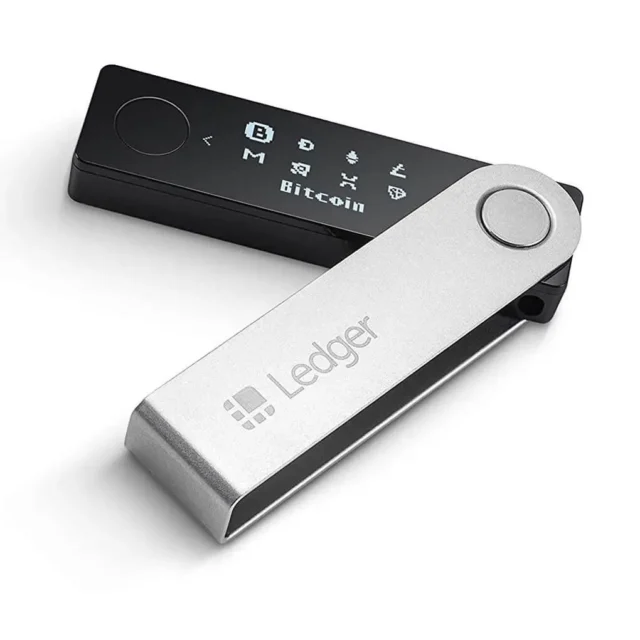
- Hardware wallets: e.g., Ledger, Trezor (USB-like devices)
- Paper wallets: printed QR codes or keys (risky but inexpensive)
- Air-gapped PCs: software wallets run on offline devices
How Does a Crypto Wallet Work?
The main function of a crypto wallet is managing private keys. When someone sends cryptocurrency, they are digitally signing a transaction with their private key, proving they are authorized to transfer the specified amount. This transaction is then added to the blockchain, where it is verified and finalized.
Keys can be stored in encrypted form via software, hardware, or external tools. The integrity and secrecy of the key are absolutely crucial.
How Secure is a Crypto Wallet?
The security of crypto wallets largely depends on how they are used. Most issues stem from human error: lost keys, forgotten passwords, clicking on suspicious links, or phishing attacks.
Security Tips:
- Never share your private key or seed phrase.
- Use two-factor authentication (2FA).
- Keep your wallet software updated.
- Do not store private keys online or in the cloud.
- Make multiple offline backups.
Recommended Wallet Types for Beginners
If you are just starting with cryptocurrencies, it’s best to use a simple and user-friendly wallet. Mobile apps like Trust Wallet or MetaMask offer intuitive interfaces and are ideal for storing small amounts. For larger sums, consider investing in a hardware wallet.
What is a Seed Phrase and Why is it Critical?
The seed phrase (or recovery phrase) is a series of 12 to 24 words that allows complete restoration of your wallet on another device. It is essentially the human-readable version of your private keys.
Important Rules for Handling a Seed Phrase:
- Write it down on paper and store it in a secure, fire- and waterproof location.
- Never take photos of it or store it digitally.
- Never share it with anyone, even if they claim to be “customer support.”
The Relationship Between Exchanges and Wallets
Many people confuse crypto exchanges with wallets. Exchanges like Binance, Kraken, or Coinbase offer built-in wallets, but these are custodial—meaning you do not own the private keys.
This implies that cryptocurrencies stored on exchanges can be inaccessible during system failures, hacks, or regulatory interventions. Hence the popular phrase: “Not your keys, not your coins.”
Wallet Selection Guide
Ask yourself the following questions when choosing a wallet:
- How much are you planning to store?
- For small amounts, mobile or web wallets are sufficient.
- For larger holdings, hardware wallets are recommended.
- How often will you use the wallet?
- For daily transactions, hot wallets are practical.
- For infrequent use and long-term storage, cold wallets are better.
- How tech-savvy are you?
- Beginners should opt for wallets with user-friendly interfaces.
- Do you need access from multiple devices?
- Choose wallets that can sync between mobile and desktop.
Wallet Type Comparison Table
| Wallet Type | Internet Connection | Security | Convenience | Ideal Use Case |
|---|---|---|---|---|
| Web Wallet | Yes | Low | High | Frequent transactions |
| Mobile Wallet | Yes | Medium | High | Small amounts |
| Desktop Wallet | Yes | Medium | Medium | Medium-sized holdings |
| Hardware Wallet | No (offline) | High | Low | Large, long-term storage |
| Paper Wallet | No | High* | Low | Safe offline storage |
*With proper precautions; physical loss is a major risk.
Common Mistakes and How to Avoid Them
- Lost seed phrase: store multiple copies on paper in different secure locations.
- Logging into phishing sites: always verify URLs.
- Storing private keys in email or notes apps: don’t do this!
- Reusing passwords: use a unique password for each platform.
Case Study: Learning from Mistakes
In 2022, a Hungarian user lost €15,000 worth of Ethereum after clicking a phishing link in a fake MetaMask email and entering his seed phrase. The attackers emptied his wallet within minutes. This case highlights the importance of seed phrase protection and using official sources.
Future Trends in Crypto Wallets
As Web3 develops, wallets are evolving beyond storage tools—they are becoming digital identity providers. Using decentralized apps (dApps), managing NFTs, voting, and identity verification will all happen via wallets.
Artificial intelligence and biometric authentication are playing a growing role in wallet security, while user experience continues to improve. Many providers are now offering fingerprint and facial recognition for wallet access.
The world of crypto wallets is fascinating, dynamic, and full of opportunity. Choosing the right wallet ensures the safety of your digital assets and supports your financial growth into the future.
Image(s) used in this article are either AI-generated or sourced from royalty-free platforms like Pixabay or Pexels.
Did you enjoy this article? Buy me a coffee!
